Michael Burcham is a three-time healthcare CEO turned private equity operator. He's Chief of Strategy, Research & Talent Development at Shore Capital Partners, where he's worked with well over 100 CEOs across its portfolio since 2011.
Prior to that, he founded and led Theraphysics, ParadigmHealth and Narus Health to eight- and nine-figure exits, founded the Nashville Entrepreneur Center, co-chaired the National Advisory Council on Innovation and Entrepreneurship during the Obama administration, and has taught entrepreneurship at Vanderbilt's Owen Graduate School of Management for over 20 years.
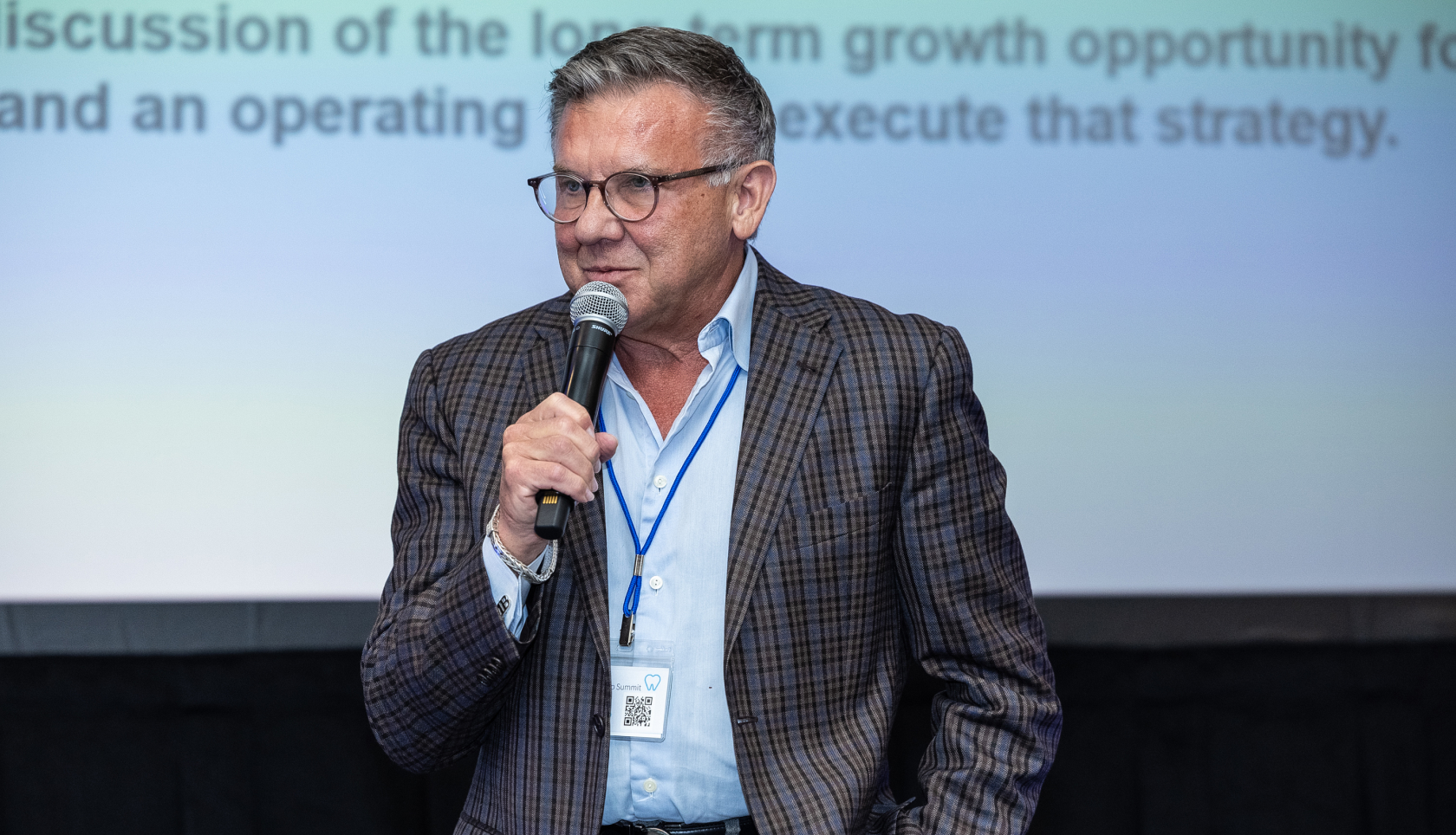
Alongside Shore, he'd built his own practice coaching founders, leading strategy sessions and speaking at conferences.
This side of his work had grown almost entirely through referrals and word of mouth, most of which came from his network in Nashville's entrepreneurial community. The calls tended to come from smaller businesses, but he wanted a practice that could reach larger ones.
“There were specific larger companies I would love to work with, but I tend to get called by medium and smaller companies.”
Now, in his words, he wanted to:
Build brand value
Engage with larger audiences, speak at more conferences, sell more books and more coaching
Deliver messages that are succinct, meaningful, and digestible
A big challenge for Michael was that he had a handful of markets and topics to pursue, and he couldn’t figure out which to focus on.
“I had a lot of stuff on my mind – things I wanted to bring to market and talk about – but they were all jumbled up. I was all over the board, talking about stuff from working with startups to private equity to leadership.
A lot of people had opinions like, ‘Michael, you should start a podcast, you should build an LMS, you should host a retreat program.’ And I love all the ideas, they sound fun, but I don’t have unlimited bandwidth. And I kept thinking, well, that sounds great, but is it the right thing to do?
“And it took us probably two months of talking to really zero in on where to start? We landed on the book, The Art of Startup Failure, and it really helped clear my head of the things I want to do to help young companies.”
Michael had written books before, so I asked him, why work with someone like me now?
“First is, you find the extraordinary in what appears ordinary to me because I've done it so long. You point out things that the average person or reader would never have figured out on their own, and I assume everyone knows it. You're very good at pulling out key elements of anything we're writing that speak to the person I want to reach.
Secondly, you're very good at helping me organise thoughts sequentially.
Third, you're very good at cutting complex messages into digestible bites that people can absorb, hear, and understand. I've watched you edit a chapter I put together, and you do that very well.
And finally, when you're collaborating on a project together where one party is asking questions of the other, and then sometimes, I turn around and ask questions of you, that interchange between two people takes a single idea from one person, and the additive quality of us talking about it together makes it better than it would have ever been if it were only mine.
And so I know the two books we have done together are exponentially better than either of them would have been had I written them in a vacuum. And it's not because I didn't have the knowledge; it's the way we sequenced it together, the QA back and forth. You're asking questions allowed me to really provide a much deeper set of insights in any one chapter than I likely would have otherwise, and it allowed me to simplify a message that a broader readership would really get and understand.”
Once we agreed that a book was the right place to start, we needed to get really clear about who Michael was writing to. Entrepreneurs in general were too broad, so I asked him for the name of a real founder he knew who needed this book. Then we talked about where she was at, what she was struggling with, what she aspired to, where she was going wrong, and where she was likely to go wrong.
Before we progressed, we also wanted to land on an interesting frame and angle. There are plenty of books about building a business. What could make Michael's different? For one, he'd been hugely successful as an entrepreneur. He'd also worked with hundreds of founders at the Nashville Entrepreneur Center, and taught thousands more in his MBA course at Vanderbilt.
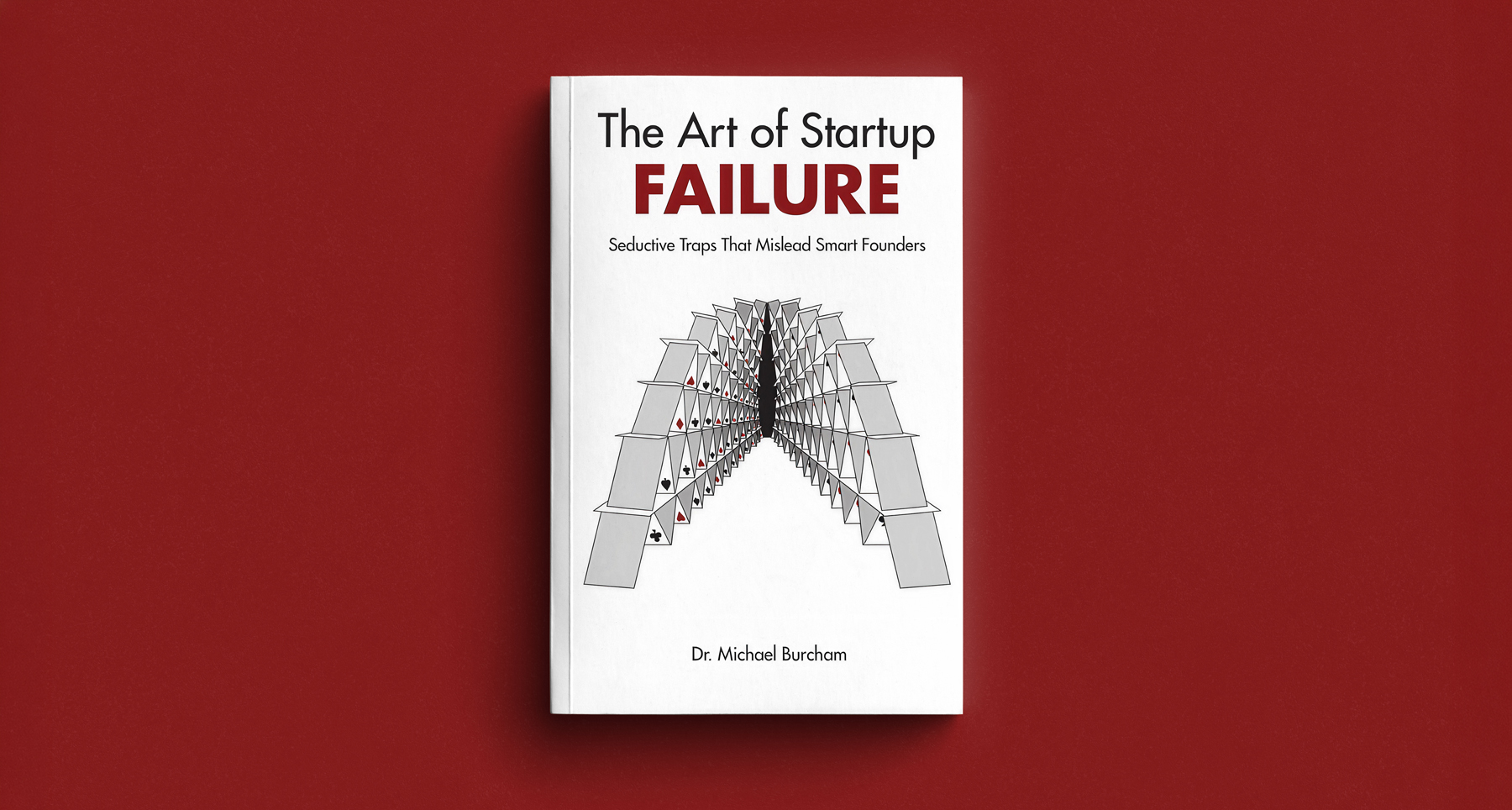
We could have written a step-by-step guide on what to do, but it felt more unique and interesting to spot the patterns in the places founders typically go wrong, show what they should do instead, and frame it counterintuitively. That's where the title came from: The Art of Startup Failure: Seductive Traps That Mislead Smart Founders.
We pulled 40 years of knowledge apart and unearthed 26 seductive traps. For each one, we found a story of a founder Michael had worked with who fell into it, and one of a founder who did the complete opposite and succeeded as a result. Each chapter closed with questions for the reader to work through, so they could apply it to their own business.
For the first chapter, we built a structure that would work for every chapter after it. From then on, we worked on one chapter every other week. We'd start with a conversation. We'd spar, I'd challenge him, and I'd ask him to elaborate on parts of a story. Then I'd package up the beats from the call and organise them into the chapter structure. Michael wrote it in his own voice, and I reviewed it.
Once all 26 chapters were written, we packaged them into one book, and I did a final full review of it as a whole. Then it went to an editor for a fresh set of eyes before it was published.

With The Art of Startup Failure published, Michael had got it out of his head and into the hands of the startup community he'd spent so much of his time with. The next question was what to build his practice around.
There were several positioning options on the table across healthcare and entrepreneurship. In one of our conversations, I asked him, "When do startups outgrow you?"
“The journey of that turned into a cleaner target audience for the core work I want to do in private equity. But I don't think that would have happened if we hadn't started with The Art of Startup Failure and what we would want to do for entrepreneurs. We had a series of discussions, and in one in particular, you asked me, 'When do startups outgrow you?' And I was like, 'No, they're just finally now getting ready. I can actually do something really meaningful for them.' That's what actually led to the PE-backed CEO.”
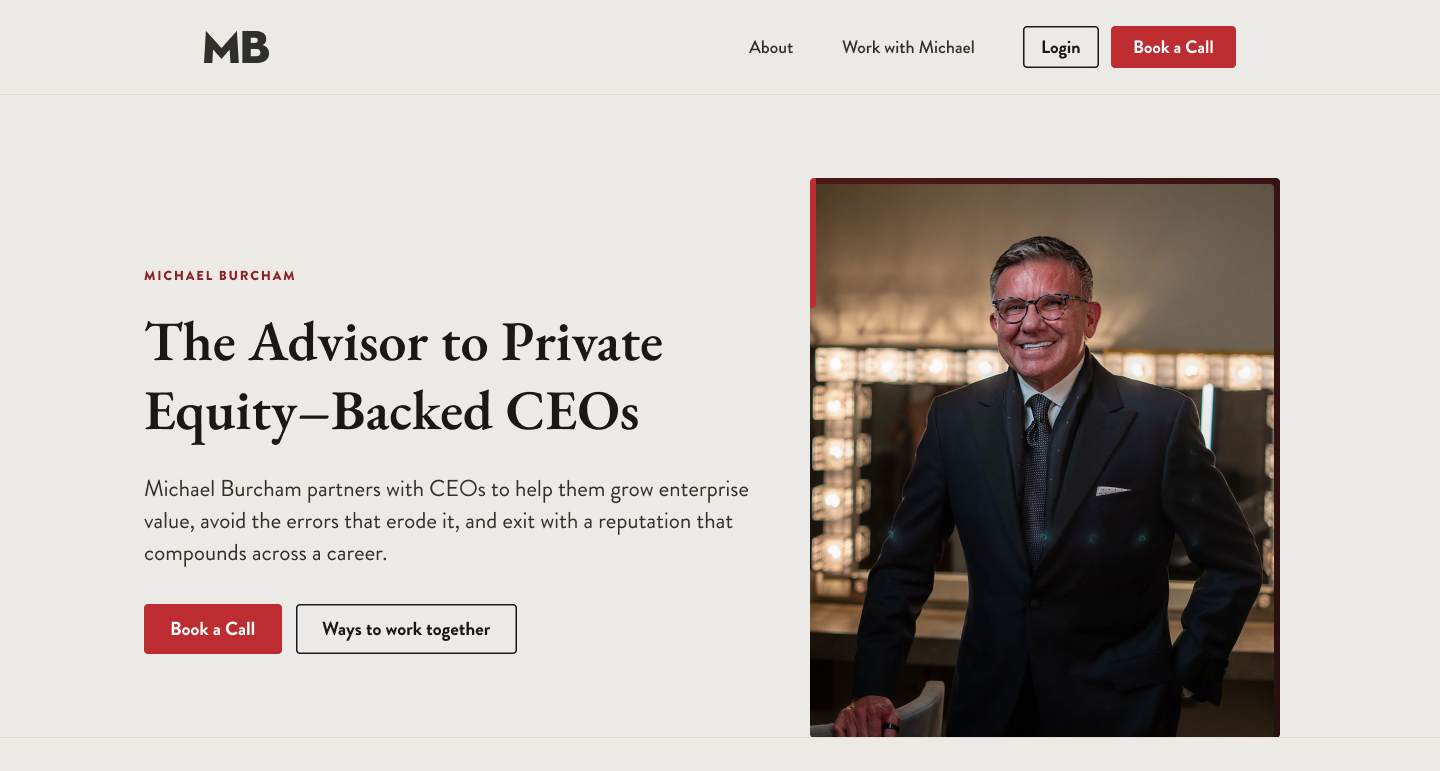
Coaching private equity-backed CEOs made the most sense. Michael had an impressive track record in that world, there was demand, he had access, and the work was lucrative.
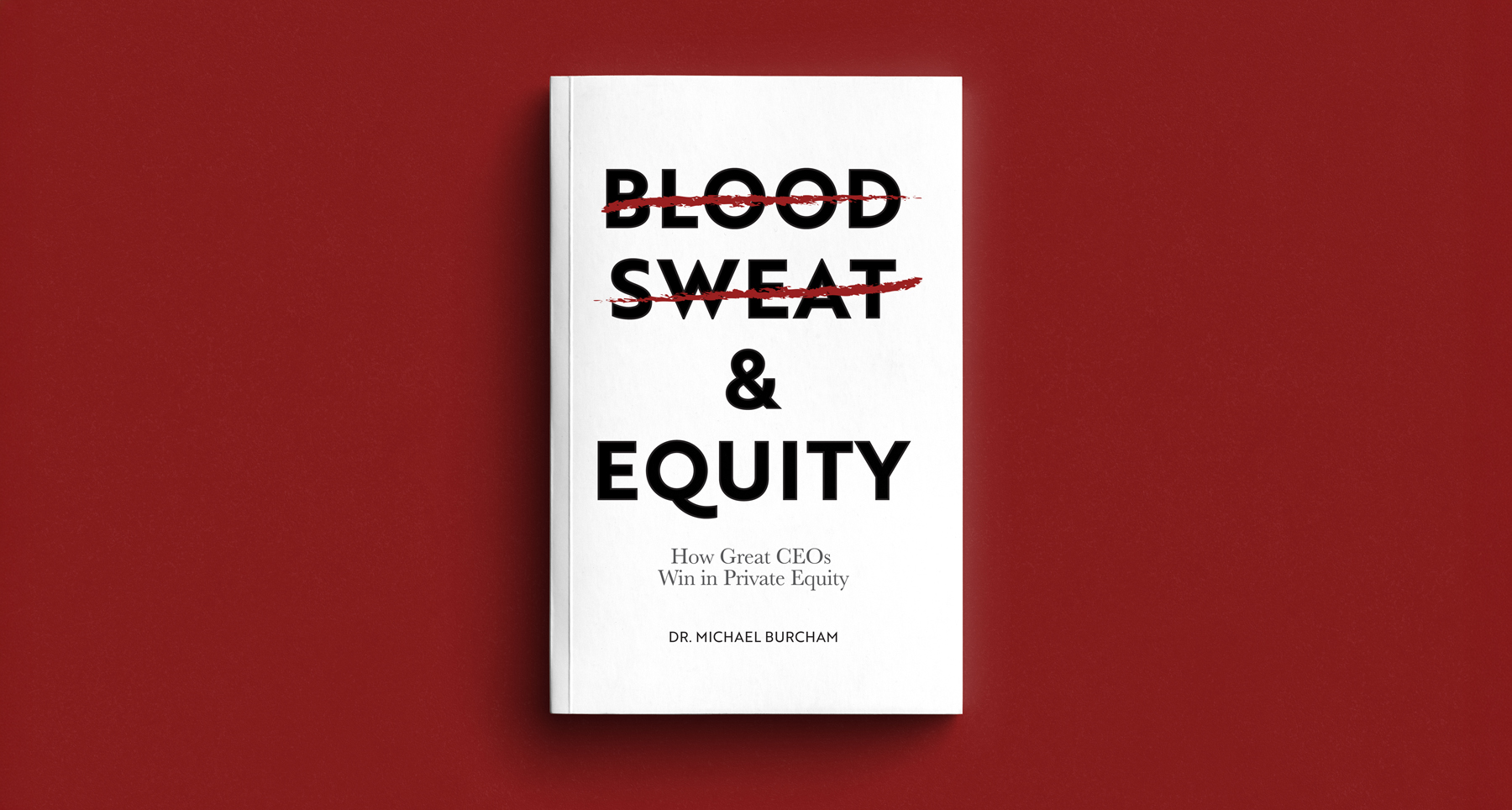
So we wrote his next book, Blood, Sweat, and Equity, for that CEO, using a very similar approach to the first.
I asked Michael, do you think we landed on the right thing to do?
“Oh, yeah. With the private equity-backed CEO, for sure. We also landed on the right thing for what I wanted to do for the startup community. Entrepreneurship is my passion. Just like golf is some people's passion, or art.
I wanted to do something for the entrepreneur community, so I've been able to accomplish two really significant things in our time together. Beginning to lay a foundation for the legacy work I want to do for young entrepreneurs. And so I feel actually really personally rewarded for having done that.
And then secondly, the work with private equity-backed CEOs is where I'm coaching and speaking and helping others. And that's the economic engine day-to-day that fuels my life and the things I want to do, and affords me the bandwidth and the opportunity to do things for our younger entrepreneurial community, who probably can't ever afford to pay me to run the economics of my life, but I want to help them.”
“I've written a textbook before, but let's be clear: a textbook from 20 years of teaching is really different from a professional book aimed at connecting with an audience through stories.
Textbooks are recipe books, if you will. How do you do this? What are the basic tools you use?
The Art of Startup Failure and Blood, Sweat, and Equity aren't recipe books. They're stories of experiences and shared lessons that help entrepreneurs and PE-backed CEOs avoid some of the same mistakes I've made, or the mistakes others like them have made.”
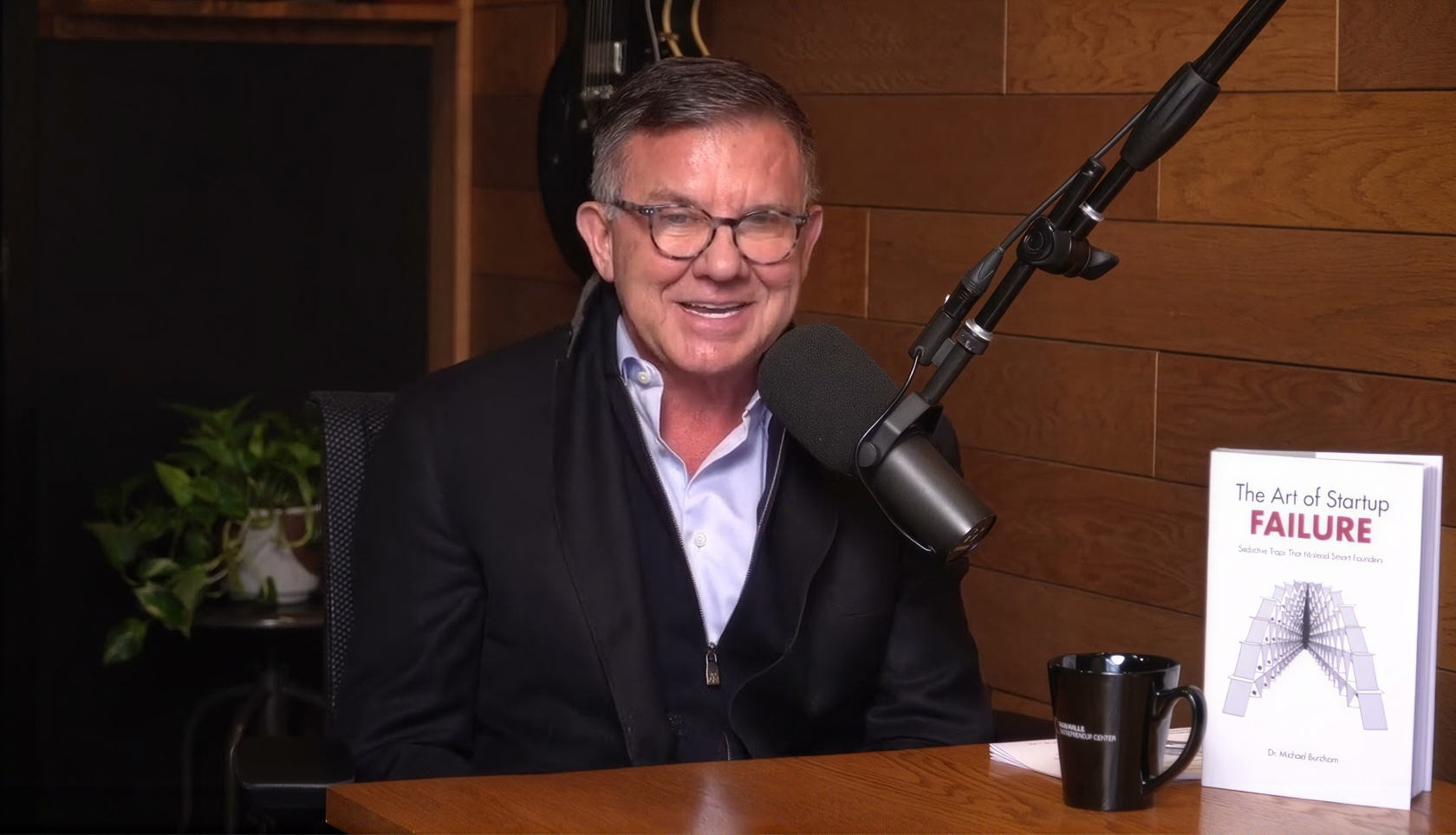
“In certain entrepreneurial circles, I was considered an authority on startup culture and entrepreneurial thinking. I've been teaching at Vanderbilt for 20 years, and I've been in Nashville a long time. After working together, awareness of my work expanded that dramatically from a little pond called Nashville to a much broader audience of entrepreneurs. I got something yesterday from Sweden from somebody who picked up the book, asking me to be on their podcast. That wouldn't have happened had we not done the book.”
But the books didn't just expand his reach.
“The Art of Startup Failure also memorialized the most salient points of entrepreneurship that everyone should know. So now, when I speak about it and coach others, I'm sharper on my game because we filtered through a lot of things to find the key 20 to 25 things that most impact an entrepreneur's journey. And now I can almost rattle them all off because we wrote the book together.”
“There are many professionals like myself who have years and years of expertise. And what appears to be intuition is honestly just many years of pattern recognition that they see in how a business model works or how you achieve something. And we often chalk it up to pure intuition, but what they really have is that they've mastered pattern recognition in a key area of an industry.
And I think both of these books, if I boil them down to what they really are, are a documented set of patterns that I have noticed that help entrepreneurs be successful, or CEOs of private equity companies be successful.
And I would think that as you work with other people like me, no matter what they're working on with you, the secret to unlock is the pattern recognition that they intuitively know, but they've never defined it as pattern recognition. And then how to document and memorialise those patterns so that they can be useful to others who read what they write or listen to them speak or use their coaching or whatever it may be.
I think if your client thinks of this as, 'How do I document patterns I fully understand that can help others and not just spew facts and figures?' it creates a whole different way people can learn.”

Find Michael at thebuchamgroup.com, or connect with him on LinkedIn.
The Art of Startup Failure
We talked through the markets and topics Michael could pursue, met in person in London, and agreed that a book for the startup community was the right place to start.
We got clear on the reader, a real founder Michael knew who needed this book, and landed on the angle: the seductive traps that mislead smart founders.
Every other week, we approached one chapter. We'd spar on a call, then I'd package the beats into a structure document. Michael wrote it in his own voice, and I reviewed it.
I drafted the introduction and closing sections and commissioned the illustrations. Michael's editor, Bryn, edited the full manuscript, and it was typeset.
Published.
Blood, Sweat, and Equity
Together in Nashville, we worked through what to build his practice around and landed on PE-backed CEOs.
We built reader profiles from real CEOs, outlined the book, and interviewed people in his network.
Chapter by chapter, we followed the same process as the first book.
I reviewed the full draft of all 14 chapters before it went to Bryn for editing.
We wrote the sales copy and built a new website with offers that complement the book and Michael’s keynotes. It launched ahead of his July keynotes, and the book followed.