


I looked into my client's eyes, doubting myself, about to ask a question I knew would make me look dumb.
It was a Thought Partner call–me helping him find unique, contrarian, and interesting points of view for his upcoming book, which is on How to Hire Elite Salespeople.
This conversation was about the importance of sales leader observing her own salespeople sell to figure out what makes the best the best.
I hesitated, held my nerve, then asked my dumb question: "How do you observe a salesperson?"
I worked in sales for 4 years earlier in my career. I've been observed many times before, so I know what that typically looks like.
He raised his eyebrows. A look of confusion turned to one of disdain.
"Liam, I don't know how to answer that. It seems so obvious. If a reader is asking that question, what are they doing reading a book on sales leadership in the first place?"
I took a second to gather my thoughts:
"Over the past few months, you've completely opened my eyes. There are things I thought to be true. They were obvious to me, but you showed me that I'd got it all wrong. What if my obvious assumptions here are wrong, too?"
His face changed. He suddenly lit up. "Got it."
He then spent five minutes delivering absolute golden material, Disruptive Wisdom, that would not have made the book if I had not asked that really dumb question.
What's obvious to you, the expert, is not obvious to your readers
Experts struggle to communicate what that they do. They have valuable knowledge, but it's packaged in a way that only makes sense to fellow experts.
They've got blind spots. So much of what they know is intuitive.
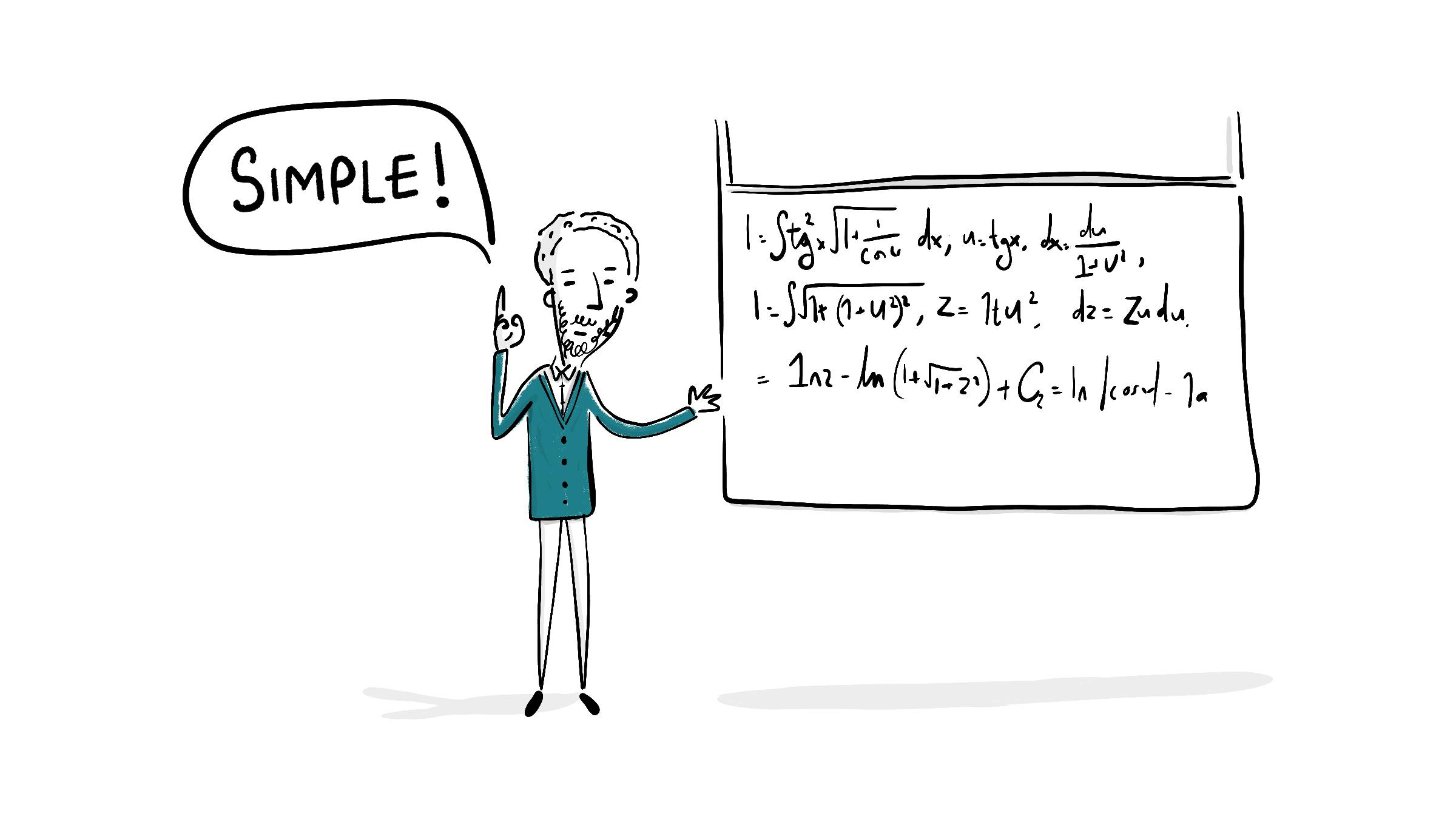
To identify really interesting, counterintuitive wisdom, and communicate it in a way that makes sense to a reader, ask yourself the dumbest first principle questions.
That's what I do on these Thought Partner calls.
My client, an expert consultant in their field, tells me what they have to say on a particular topic. The surface-level thoughts are always the less interesting ones. The counterintuitive insights come 20 or 30 minutes into the conversation when we get closer to first principles.
We break the topic down to build it back up again.
"If we never learn to take something apart, test our assumptions about it, and reconstruct it, we end up bound by what other people tell us–trapped in the way things have always been done." Farnham Street, The Great Mental Models
If you're looking for those counterintuitive angles in your content, begin asking yourself the types of questions a child would ask about your work, then start answering them as if you were answering a child.
Six examples of foundational, dumb questions:
- Why would you want to build followers on LinkedIn?
- What is a follower?
- What is a fan?
- Are people that buy from you your friends?
- What do people pay you with?
- Why do you send emails to people you don't know?
This is where the gold lies.
Ask dumb questions, uncover genius insights.